Padma Awards : India's Highest Civilian Honours
A complete guide to eligibility, categories, and the nomination process
Overview
Among the most prestigious honours bestowed by the Republic of India, the Padma Awards stand as a symbol of exemplary service and achievement. Announced every year on the eve of Republic Day, these awards celebrate individuals whose contributions across diverse fields and have made a lasting difference to society.
The awards are presented in three distinct tiers, each reflecting a different degree of national recognition: Padma Vibhushan, Padma Bhushan, and Padma Shri. Whether in the arts, sciences, public affairs, or grassroots social work, the Padma Awards honour those who have served with distinction and purpose.
The Three Categories of Padma Awards
Padma Vibhushan
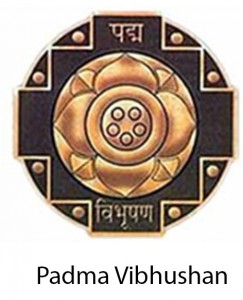
The highest tier within the Padma family, the Padma Vibhushan is reserved for individuals who have rendered exceptional and distinguished service to the nation; contributions of extraordinary magnitude that have shaped their field or society at large.
Padma Bhushan
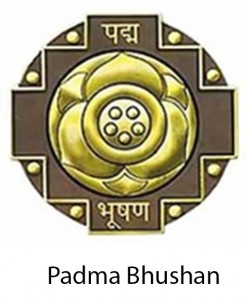
Awarded for distinguished service of a higher order, the Padma Bhushan recognises men and women who have made significant and sustained contributions to their domain, with a clear and measurable impact on public life.
Padma Shri
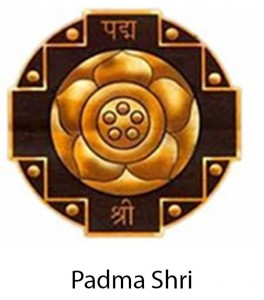
The Padma Shri celebrates distinguished service at a national level, honouring individuals whose dedication and excellence in their chosen field have earned them wide recognition and respect.
Bharat Ratna - The Nation's Supreme Honour
Standing apart from the Padma Awards is the Bharat Ratna, India's highest civilian distinction. Conferred in recognition of exceptional service or extraordinary achievement in any field of human endeavour, the Bharat Ratna is in a category entirely its own.
Recommendations for this honour are made directly by the Prime Minister to the President of India, no formal committee process is required. The award is conferred on a maximum of three individuals in any given year. To date, 53 individuals have been granted this honour.
A Legacy Since 1954
The Government of India established its landmark civilian awards system in 1954, introducing both the Bharat Ratna and the Padma Vibhushan (which originally carried three sub-classifications). Through a Presidential Notification dated 8 January 1955, these sub-classifications were formally renamed as Padma Vibhushan, Padma Bhushan, and Padma Shri the framework that continues to this day.
The Padma Awards have been announced annually on Republic Day with only brief interruptions in 1978–79 and again during 1993–97 underscoring their enduring role in India's national honours tradition.
Who Can Be Nominated?
The Padma Awards are open to all Indians, irrespective of race, gender, occupation, or social standing. Foreign nationals and persons of Indian origin who have made significant contributions are also eligible.
There is, however, one key restriction: government servants including those employed by public sector undertakings are generally not eligible, with the exception of doctors and scientists, who may be considered.
Nominations are submitted through an open, public process and self-nominations are entirely permissible.
Fields of Recognition
The awards span the full breadth of human achievement. Recognised disciplines include:
- Art : encompassing music, painting, sculpture, photography, cinema, and theatre
- Social Work : charitable service, community development, and humanitarian initiatives
- Public Affairs : law, politics, and public service
- Science & Engineering : space exploration, nuclear science, IT, and R&D
- Trade & Industry : banking, business, tourism promotion, and economic leadership
- Medicine : medical research and specialisation across Allopathy, Ayurveda, Homoeopathy, Siddha, and Naturopathy
- Literature & Education : journalism, teaching, literary work, poetry, and education reform
- Civil Service : administrative distinction and excellence in public governance
- Sports : athletics, adventure sports, mountaineering, yoga, and sports promotion
- Others : protection of human rights, wildlife conservation, propagation of Indian culture, and more
The Nomination and Selection Process
Each year, the Prime Minister constitutes a Padma Awards Committee, which evaluates nominations and makes recommendations to the President of India. Nominations can be submitted by anyone including the nominee themselves through the official government portal.
In any given year, the total number of Padma Awards (excluding posthumous awards and those given to NRIs, foreigners, or OCIs) must not exceed 120.
As a general rule, the awards are not conferred posthumously. However, in cases of exceptional merit, posthumous conferment may be considered. Similarly, while recipients of a lower Padma category must ordinarily wait at least five years before being considered for a higher tier, exceptions can be made in truly deserving cases.
The Awards Ceremony
The awards are presented by the President of India, typically between March and April each year. Recipients receive a Sanad, a certificate bearing the President's signature, along with a medallion. A smaller replica of the medallion is also provided, which awardees may choose to wear at ceremonial or state occasions.
Names of all recipients are published in the Gazette of India on the day of the presentation ceremony. Importantly, the award does not confer a title, and may not be used as a prefix or suffix to the recipient's name.
Frequently Asked Questions
Everything you need to know about the Padma Awards
Q: What are the Padma Awards?
A: The Padma Awards are among India's highest civilian honours, announced annually on Republic Day. They recognise individuals for distinguished and exceptional service across a wide range of fields from arts and science to social work and sports.
Q: What is the difference between Padma Vibhushan, Padma Bhushan, and Padma Shri?
A: The three awards represent ascending levels of distinction. Padma Shri acknowledges distinguished national service; Padma Bhushan recognises distinguished service of a higher order; and Padma Vibhushan the most prestigious of the three, is reserved for exceptional and extraordinary contributions.
Q: How is the Padma Award different from the Bharat Ratna?
A: The Bharat Ratna is India's supreme civilian honour and operates outside the Padma Awards framework. It is conferred for exceptional service or achievement of the highest order in any field, with recommendations made directly by the Prime Minister to the President. The Padma Awards, by contrast, are decided by a dedicated committee constituted each year.
Q: Who is eligible to receive a Padma Award?
A: Any person, regardless of race, gender, occupation, or social background, is eligible including non-resident Indians, foreign nationals, and Overseas Citizens of India. Government servants (other than doctors and scientists) are generally excluded from consideration.
Q: Can I nominate myself for a Padma Award?
A: Yes. The nomination process is open to the public, and self-nominations are accepted. Nominations are submitted through the official government portal.
Q: How many Padma Awards are given each year?
A: The total number of Padma Awards conferred in a single year excluding posthumous awards and those given to NRIs, foreigners, or OCIs must not exceed 120. Bharat Ratna is limited to three recipients per year.
Q: Are Padma Awards given posthumously?
A: As a general rule, no. However, in cases of exceptional merit, the government may consider conferring an award posthumously.
Q: Can someone receive more than one Padma Award?
A: Yes. A person who has already received a Padma Award may be considered for a higher category, provided at least five years have elapsed since the earlier award. This interval may be waived in highly exceptional circumstances.
Q: When and how are the awards presented?
A: The awards are presented by the President of India in a formal ceremony typically held in March or April. Recipients receive a Sanad (certificate) and a medallion, along with a smaller wearable replica for ceremonial occasions. The names of all recipients are published in the Gazette of India on the day of the ceremony.
Q: Can a Padma Award be used as a title?
A: No. The award does not confer a title and may not be appended to the recipient's name as a prefix or suffix.
Q: What fields are covered under the Padma Awards?
A: The awards cover a broad spectrum including art, social work, public affairs, science and engineering, trade and industry, medicine, literature and education, civil service, sports, and other areas such as wildlife conservation, human rights, and promotion of Indian culture.
Q: Why should I work with a professional consultant for my Padma Award nomination?
A: A Padma Award nomination is not simply a form it is a carefully constructed case that articulates a lifetime of contribution in a clear, compelling, and evidence-based manner. Professional consultants understand the language of national recognition: what selection committees look for, how to frame achievements for maximum impact, and what supporting documentation is essential. A well-structured nomination can make the difference between a deserving candidate being noticed or overlooked.
Q: What is Padma Shri Profile Writing, and how does it differ from a regular resume?
A: A Padma Shri profile is a specialised document built to present your life's work, your achievements, social impact, recognitions, and contributions; in a format and tone suited to a national honours committee. It goes far beyond a resume. Where a resume lists qualifications and roles, a Padma Shri profile tells a narrative of service, impact, and distinction. It requires deep knowledge of what matters to the awards committee and how to articulate that persuasively.
Q: How early should I start preparing my Padma Award nomination?
A: Preparation should ideally begin several months in advance of the nomination deadline. Gathering evidence of contributions, obtaining endorsements, compiling supporting materials, and crafting a compelling narrative all take time. The more thorough the preparation, the stronger the nomination.
Q: Does Resume Builder guarantee me an award if I get it written by you?
A: No. Absolutely no way Resume Builder (we) can guarantee any awards. We are an ethical organisation and we do not influence the selection process at all. Our role is limited to ensuring we follow the guidelines as mentioned in the award nomination process. We ensure that we follow the process in creating the document as prescribed. Our mandate is limited to ensuring we deliver a comprehensive documentation process to the best of our ability so that you can apply for the awards. The application process is pretty lengthy and comprehensive, we ensure we prepare the groundwork for you in terms of utilising our experience so that you can represent yourself in the best possible way. Our teams work is limited to ensuring we follow all the constraints of the nomination application for the online award process. We only write the content for the awards. All other information such as recommendations, certificates, and factual matter are yours only. We interpret, decide, prioritise, edit, rewrite, and research what all content must go in the nomination document to the best of our ability.
Q: Do you call the Nominee / application when you write the Padma Award document? What is your process?
A: Yes, once you place the order with us, we arrange a detailed telephonic call where we interview you with regards to your life's work. This is a long interview which is recorded and then our team uses this as a main guiding light along with your documentation to proceed with the nomination writing process. We keep in touch and as and when we need additional information we seek from you.
Q: Do you have to pay the charges in advance?
A: Yes, the payment for the writing has to be paid in advance for us to start work on your profile.
Q: How many days are needed to create the nomination document?
A: Typically it takes around 15-30 days to complete the assignment, therefore we recommend you not to delay till the last week to file the award nomination.
Q: Can you file the Padma Award nomination on our behalf (on behalf of Nominee)?
A: No, we cannot and do not file nominations on behalf of any nominee. You will have to either do self nomination or you can have someone nominate you, i.e. third party nomination. We DO NOT do a step by step online filing for you, or with you. It is the responsibility of the Nominee to do it by themselves online.
Q: I want to see your previous nomination documents, can you show me samples of nomination documents?
A: Resume Builder considers your privacy with utmost confidentiality, Resume Builder does under no circumstance shares nomination documents with anyone to take orders. Such demands are dismissed forthright. So, Resume Builder does not share previous nomination documents or sample nomination documents.
Q: Can you share details of someone who has won Padma Awards for whom you have written a nomination document for?
A: Resume Builder never shares personal details of any client who has ever approached us.
पद्म पुरस्कार : भारत का सर्वोच्च नागरिक सम्मान
पात्रता, श्रेणियों, और नामांकन प्रक्रिया के लिए एक संपूर्ण मार्गदर्शिका
परिचय (Overview)
भारत गणराज्य द्वारा प्रदान किए जाने वाले सबसे प्रतिष्ठित सम्मानों में से, पद्म पुरस्कार उत्कृष्ट सेवा और उपलब्धि के प्रतीक के रूप में खड़े हैं। प्रत्येक वर्ष गणतंत्र दिवस की पूर्व संध्या पर घोषित किए जाने वाले ये पुरस्कार, उन व्यक्तियों का सम्मान करते हैं जिनके विविध क्षेत्रों में योगदान ने समाज पर स्थायी प्रभाव डाला है।
ये पुरस्कार तीन विशिष्ट स्तरों में प्रस्तुत किए जाते हैं, जिनमें से प्रत्येक राष्ट्रीय मान्यता की अलग-अलग डिग्री को दर्शाता है: पद्म विभूषण, पद्म भूषण, और पद्म श्री। चाहे वह कला हो, विज्ञान हो, सार्वजनिक मामले हों, या जमीनी स्तर का सामाजिक कार्य, पद्म पुरस्कार उन लोगों का सम्मान करते हैं जिन्होंने विशिष्टता और उद्देश्य के साथ सेवा की है।
पद्म पुरस्कारों की तीन श्रेणियाँ
पद्म विभूषण
पद्म परिवार के भीतर सर्वोच्च स्तर, पद्म विभूषण उन व्यक्तियों के लिए आरक्षित है जिन्होंने राष्ट्र को असाधारण और विशिष्ट सेवा प्रदान की है; ऐसे योगदान जो असाधारण परिमाण के हैं और जिन्होंने अपने क्षेत्र या व्यापक समाज को आकार दिया है।
पद्म भूषण
उच्च स्तर की विशिष्ट सेवा के लिए प्रदान किया जाने वाला पद्म भूषण, उन पुरुषों और महिलाओं को मान्यता देता है जिन्होंने अपने क्षेत्र में महत्वपूर्ण और निरंतर योगदान दिया है, जिसका सार्वजनिक जीवन पर स्पष्ट और मापने योग्य प्रभाव है।
पद्म श्री
पद्म श्री राष्ट्रीय स्तर पर विशिष्ट सेवा का उत्सव मनाता है, उन व्यक्तियों का सम्मान करते हुए जिनकी अपने चुने हुए क्षेत्र में समर्पण और उत्कृष्टता ने उन्हें व्यापक पहचान और सम्मान दिलाया है।
भारत रत्न – राष्ट्र का सर्वोच्च सम्मान
पद्म पुरस्कारों से अलग खड़ा है भारत रत्न, भारत का सर्वोच्च नागरिक सम्मान। किसी भी क्षेत्र में मानव प्रयास के भीतर असाधारण सेवा या असाधारण उपलब्धि की मान्यता में प्रदान किया जाने वाला, भारत रत्न पूरी तरह से अपनी ही एक श्रेणी में आता है।
इस सम्मान के लिए सिफारिशें सीधे प्रधानमंत्री द्वारा भारत के राष्ट्रपति को की जाती हैं; किसी औपचारिक समिति प्रक्रिया की आवश्यकता नहीं होती। यह पुरस्कार किसी भी दिए गए वर्ष में अधिकतम तीन व्यक्तियों को प्रदान किया जाता है। अब तक, 53 व्यक्तियों को यह सम्मान प्रदान किया जा चुका है।
1954 से एक विरासत
भारत सरकार ने 1954 में अपनी ऐतिहासिक नागरिक पुरस्कार प्रणाली की स्थापना की, जिसमें भारत रत्न और पद्म विभूषण दोनों की शुरुआत की गई (जिसमें मूल रूप से तीन उप-वर्ग थे)। 8 जनवरी 1955 की एक राष्ट्रपति अधिसूचना के माध्यम से, इन उप-वर्गों का औपचारिक रूप से नाम बदलकर पद्म विभूषण, पद्म भूषण, और पद्म श्री किया गया वही ढांचा जो आज तक जारी है।
पद्म पुरस्कार हर वर्ष गणतंत्र दिवस पर घोषित किए जाते रहे हैं, केवल 1978–79 और फिर 1993–97 के दौरान संक्षिप्त रुकावटों को छोड़कर जो भारत की राष्ट्रीय सम्मान परंपरा में उनकी स्थायी भूमिका को रेखांकित करता है।
कौन नामांकित हो सकता है?
पद्म पुरस्कार सभी भारतीयों के लिए खुले हैं, चाहे उनकी जाति, लिंग, पेशा, या सामाजिक स्थिति कुछ भी हो। विदेशी नागरिक और भारतीय मूल के व्यक्ति जिन्होंने महत्वपूर्ण योगदान दिया है, वे भी पात्र हैं।
हालांकि, एक महत्वपूर्ण प्रतिबंध है: सरकारी सेवक जिसमें सार्वजनिक क्षेत्र के उपक्रमों में कार्यरत व्यक्ति शामिल हैं सामान्यतः पात्र नहीं होते, डॉक्टरों और वैज्ञानिकों को छोड़कर, जिन्हें विचार किया जा सकता है।
नामांकन एक खुले, सार्वजनिक प्रक्रिया के माध्यम से प्रस्तुत किए जाते हैं और स्वयं-नामांकन पूरी तरह से स्वीकार्य हैं।
मान्यता के क्षेत्र (Fields of Recognition)
ये पुरस्कार मानव उपलब्धियों के पूरे विस्तार को कवर करते हैं। मान्यता प्राप्त क्षेत्रों में शामिल हैं:
- कला: जिसमें संगीत, चित्रकला, मूर्तिकला, फोटोग्राफी, सिनेमा, और रंगमंच शामिल हैं
- सामाजिक कार्य: परोपकारी सेवा, सामुदायिक विकास, और मानवीय पहल
- सार्वजनिक मामले: कानून, राजनीति, और सार्वजनिक सेवा
- विज्ञान एवं इंजीनियरिंग: अंतरिक्ष अन्वेषण, परमाणु विज्ञान, आईटी, और अनुसंधान एवं विकास
- व्यापार एवं उद्योग: बैंकिंग, व्यवसाय, पर्यटन प्रोत्साहन, और आर्थिक नेतृत्व
- चिकित्सा: चिकित्सा अनुसंधान और एलोपैथी, आयुर्वेद, होम्योपैथी, सिद्ध, और प्राकृतिक चिकित्सा में विशेषज्ञता
- साहित्य एवं शिक्षा: पत्रकारिता, शिक्षण, साहित्यिक कार्य, कविता, और शिक्षा सुधार
- सिविल सेवा: प्रशासनिक विशिष्टता और सार्वजनिक शासन में उत्कृष्टता
- खेल: एथलेटिक्स, एडवेंचर स्पोर्ट्स, पर्वतारोहण, योग, और खेल प्रोत्साहन
- अन्य: मानवाधिकारों की सुरक्षा, वन्यजीव संरक्षण, भारतीय संस्कृति का प्रसार, और अन्य
नामांकन और चयन प्रक्रिया
प्रत्येक वर्ष, प्रधानमंत्री एक पद्म पुरस्कार समिति का गठन करते हैं, जो नामांकनों का मूल्यांकन करती है और भारत के राष्ट्रपति को सिफारिशें देती है। नामांकन किसी भी व्यक्ति द्वारा स्वयं नामांकित व्यक्ति सहित आधिकारिक सरकारी पोर्टल के माध्यम से प्रस्तुत किए जा सकते हैं।
किसी भी दिए गए वर्ष में, पद्म पुरस्कारों की कुल संख्या (मरणोपरांत पुरस्कारों और एनआरआई, विदेशियों, या ओसीआई को दिए गए पुरस्कारों को छोड़कर) 120 से अधिक नहीं होनी चाहिए।
सामान्य नियम के रूप में, पुरस्कार मरणोपरांत प्रदान नहीं किए जाते। हालांकि, असाधारण योग्यता के मामलों में, मरणोपरांत प्रदान करने पर विचार किया जा सकता है। इसी प्रकार, जबकि पद्म की निम्न श्रेणी के प्राप्तकर्ताओं को उच्च श्रेणी के लिए विचार किए जाने से पहले सामान्यतः कम से कम पाँच वर्ष प्रतीक्षा करनी होती है, वास्तव में योग्य मामलों में अपवाद किए जा सकते हैं।
पुरस्कार समारोह
ये पुरस्कार भारत के राष्ट्रपति द्वारा प्रस्तुत किए जाते हैं, सामान्यतः प्रत्येक वर्ष मार्च और अप्रैल के बीच। प्राप्तकर्ताओं को एक सनद (प्रमाणपत्र), जिसमें राष्ट्रपति के हस्ताक्षर होते हैं, के साथ एक पदक प्रदान किया जाता है। पदक की एक छोटी प्रतिकृति भी प्रदान की जाती है, जिसे पुरस्कार विजेता औपचारिक या राज्य अवसरों पर पहन सकते हैं।
सभी प्राप्तकर्ताओं के नाम प्रस्तुति समारोह के दिन भारत के राजपत्र में प्रकाशित किए जाते हैं। महत्वपूर्ण रूप से, यह पुरस्कार कोई उपाधि प्रदान नहीं करता है, और इसे प्राप्तकर्ता के नाम के पहले या बाद में उपसर्ग या प्रत्यय के रूप में उपयोग नहीं किया जा सकता।
अक्सर पूछे जाने वाले प्रश्न (Frequently Asked Questions)
पद्म पुरस्कारों के बारे में आपको जो कुछ जानना आवश्यक है
प्रश्न: पद्म पुरस्कार क्या हैं?
उत्तर: पद्म पुरस्कार भारत के सर्वोच्च नागरिक सम्मानों में से हैं, जिन्हें प्रतिवर्ष गणतंत्र दिवस पर घोषित किया जाता है। ये कला और विज्ञान से लेकर सामाजिक कार्य और खेल तक, विभिन्न क्षेत्रों में विशिष्ट और असाधारण सेवा के लिए व्यक्तियों को मान्यता देते हैं।
प्रश्न: पद्म विभूषण, पद्म भूषण, और पद्म श्री में क्या अंतर है?
उत्तर: ये तीनों पुरस्कार विशिष्टता के बढ़ते स्तरों का प्रतिनिधित्व करते हैं। पद्म श्री राष्ट्रीय स्तर की विशिष्ट सेवा को मान्यता देता है; पद्म भूषण उच्च कोटि की विशिष्ट सेवा को मान्यता देता है; और पद्म विभूषण इन तीनों में सबसे प्रतिष्ठित असाधारण और अत्यंत विशिष्ट योगदानों के लिए आरक्षित है।
प्रश्न: पद्म पुरस्कार भारत रत्न से कैसे भिन्न हैं?
उत्तर: भारत रत्न भारत का सर्वोच्च नागरिक सम्मान है और यह पद्म पुरस्कारों की संरचना से बाहर संचालित होता है। यह किसी भी क्षेत्र में सर्वोच्च स्तर की असाधारण सेवा या उपलब्धि के लिए प्रदान किया जाता है, जिसकी सिफारिश सीधे प्रधानमंत्री द्वारा राष्ट्रपति को की जाती है। इसके विपरीत, पद्म पुरस्कार हर वर्ष गठित एक समर्पित समिति द्वारा तय किए जाते हैं।
प्रश्न: पद्म पुरस्कार प्राप्त करने के लिए कौन पात्र है?
उत्तर: कोई भी व्यक्ति, चाहे उसकी जाति, लिंग, पेशा, या सामाजिक पृष्ठभूमि कुछ भी हो, पात्र है जिसमें अनिवासी भारतीय, विदेशी नागरिक, और भारत के प्रवासी नागरिक (OCI) शामिल हैं। सरकारी सेवक (डॉक्टरों और वैज्ञानिकों को छोड़कर) सामान्यतः विचार के लिए शामिल नहीं होते।
प्रश्न: क्या मैं स्वयं को पद्म पुरस्कार के लिए नामांकित कर सकता हूँ?
उत्तर: हाँ। नामांकन प्रक्रिया जनता के लिए खुली है, और स्वयं-नामांकन स्वीकार किए जाते हैं। नामांकन आधिकारिक सरकारी पोर्टल के माध्यम से प्रस्तुत किए जाते हैं।
प्रश्न: हर वर्ष कितने पद्म पुरस्कार दिए जाते हैं?
उत्तर: एक वर्ष में प्रदान किए जाने वाले पद्म पुरस्कारों की कुल संख्या मरणोपरांत पुरस्कारों और एनआरआई, विदेशियों, या ओसीआई को दिए गए पुरस्कारों को छोड़कर 120 से अधिक नहीं होनी चाहिए। भारत रत्न प्रति वर्ष अधिकतम तीन प्राप्तकर्ताओं तक सीमित है।
प्रश्न: क्या पद्म पुरस्कार मरणोपरांत दिए जाते हैं?
उत्तर: सामान्य नियम के रूप में, नहीं। हालांकि, असाधारण योग्यता के मामलों में, सरकार मरणोपरांत पुरस्कार प्रदान करने पर विचार कर सकती है।
प्रश्न: क्या किसी व्यक्ति को एक से अधिक पद्म पुरस्कार मिल सकते हैं?
उत्तर: हाँ। जिसने पहले ही एक पद्म पुरस्कार प्राप्त किया है, उसे उच्च श्रेणी के लिए विचार किया जा सकता है, बशर्ते कि पहले पुरस्कार के बाद कम से कम पाँच वर्ष बीत चुके हों। अत्यंत असाधारण परिस्थितियों में इस अवधि को माफ किया जा सकता है।
प्रश्न: पुरस्कार कब और कैसे प्रस्तुत किए जाते हैं?
उत्तर: पुरस्कार भारत के राष्ट्रपति द्वारा एक औपचारिक समारोह में प्रस्तुत किए जाते हैं, जो सामान्यतः मार्च या अप्रैल में आयोजित होता है। प्राप्तकर्ताओं को एक सनद (प्रमाणपत्र) और एक पदक दिया जाता है, साथ ही औपचारिक अवसरों के लिए पहनने योग्य एक छोटी प्रतिकृति भी दी जाती है। सभी प्राप्तकर्ताओं के नाम समारोह के दिन भारत के राजपत्र में प्रकाशित किए जाते हैं।
प्रश्न: क्या पद्म पुरस्कार को उपाधि के रूप में उपयोग किया जा सकता है?
उत्तर: नहीं। यह पुरस्कार कोई उपाधि प्रदान नहीं करता है और इसे प्राप्तकर्ता के नाम के पहले या बाद में उपसर्ग या प्रत्यय के रूप में नहीं जोड़ा जा सकता।
प्रश्न: पद्म पुरस्कार किन-किन क्षेत्रों को कवर करते हैं?
उत्तर: ये पुरस्कार व्यापक क्षेत्रों को कवर करते हैं, जिनमें कला, सामाजिक कार्य, सार्वजनिक मामले, विज्ञान और इंजीनियरिंग, व्यापार और उद्योग, चिकित्सा, साहित्य और शिक्षा, सिविल सेवा, खेल, तथा अन्य क्षेत्र जैसे वन्यजीव संरक्षण, मानवाधिकार, और भारतीय संस्कृति का प्रचार शामिल हैं।
प्रश्न: मुझे अपने पद्म पुरस्कार नामांकन के लिए एक पेशेवर सलाहकार के साथ क्यों काम करना चाहिए?
उत्तर: पद्म पुरस्कार नामांकन केवल एक फॉर्म नहीं है यह एक सावधानीपूर्वक तैयार किया गया मामला है, जो जीवन भर के योगदान को स्पष्ट, प्रभावशाली, और साक्ष्य-आधारित तरीके से प्रस्तुत करता है।
पेशेवर सलाहकार राष्ट्रीय मान्यता की भाषा को समझते हैं:
- चयन समितियाँ क्या देखती हैं
- उपलब्धियों को अधिकतम प्रभाव के लिए कैसे प्रस्तुत किया जाए
- कौन-से सहायक दस्तावेज़ आवश्यक हैं
एक सुव्यवस्थित नामांकन, एक योग्य उम्मीदवार के पहचाने जाने और अनदेखा रह जाने के बीच अंतर पैदा कर सकता है।
प्रश्न: पद्म श्री प्रोफाइल लेखन क्या है, और यह एक सामान्य रिज़्यूमे से कैसे अलग है?
उत्तर: पद्म श्री प्रोफाइल एक विशेष दस्तावेज़ है, जिसे आपके जीवन के कार्य, आपकी उपलब्धियों, सामाजिक प्रभाव, मान्यताओं और योगदानों को इस प्रकार प्रस्तुत करने के लिए बनाया जाता है, जो राष्ट्रीय सम्मान समिति के अनुरूप हो।
यह एक सामान्य रिज़्यूमे से कहीं आगे जाता है।
जहाँ एक रिज़्यूमे केवल योग्यता और भूमिकाओं को सूचीबद्ध करता है, वहीं पद्म श्री प्रोफाइल सेवा, प्रभाव और विशिष्टता की एक कथा प्रस्तुत करता है।
प्रश्न: मुझे अपना पद्म पुरस्कार नामांकन तैयार करना कब शुरू करना चाहिए?
उत्तर: आदर्श रूप से, नामांकन की अंतिम तिथि से कई महीने पहले तैयारी शुरू करनी चाहिए।
योगदान के प्रमाण एकत्र करना, सिफारिशें प्राप्त करना, सहायक सामग्री संकलित करना, और एक प्रभावशाली कथा तैयार करना इन सभी में समय लगता है।
जितनी अधिक तैयारी, उतना मजबूत नामांकन।
प्रश्न: क्या Resume Builder मुझे पुरस्कार की गारंटी देता है यदि मैं आपसे लिखवाता हूँ?
उत्तर: नहीं। बिल्कुल नहीं। Resume Builder किसी भी प्रकार से किसी पुरस्कार की गारंटी नहीं दे सकता।
हम एक नैतिक संगठन हैं और चयन प्रक्रिया को किसी भी तरह से प्रभावित नहीं करते।
हमारी भूमिका केवल यह सुनिश्चित करने तक सीमित है कि हम नामांकन प्रक्रिया के दिशानिर्देशों का पालन करें और दस्तावेज़ को सही तरीके से तैयार करें।
आवेदन प्रक्रिया लंबी और विस्तृत होती है, हम अपनी विशेषज्ञता के माध्यम से आपको सर्वोत्तम तरीके से प्रस्तुत करने में मदद करते हैं।
प्रश्न: क्या आप नामांकित व्यक्ति से बात करते हैं? आपकी प्रक्रिया क्या है?
उत्तर: हाँ। ऑर्डर देने के बाद, हम एक विस्तृत टेलीफोनिक कॉल की व्यवस्था करते हैं, जिसमें हम आपके जीवन के कार्य के बारे में आपका साक्षात्कार लेते हैं।
यह एक लंबा इंटरव्यू होता है, जिसे रिकॉर्ड किया जाता है, और हमारी टीम इसे आपके दस्तावेज़ों के साथ मिलाकर नामांकन लेखन प्रक्रिया में उपयोग करती है।
आवश्यकता अनुसार हम आपसे अतिरिक्त जानकारी भी लेते रहते हैं।
प्रश्न: क्या भुगतान अग्रिम करना होता है?
उत्तर: हाँ, प्रोफाइल लेखन शुरू करने के लिए अग्रिम भुगतान आवश्यक है।
प्रश्न: नामांकन दस्तावेज़ तैयार करने में कितने दिन लगते हैं?
उत्तर: सामान्यतः 15–30 दिन लगते हैं। इसलिए अंतिम समय तक प्रतीक्षा न करने की सलाह दी जाती है।
प्रश्न: क्या आप हमारी ओर से पद्म पुरस्कार का नामांकन दाखिल कर सकते हैं?
उत्तर: नहीं। हम किसी भी उम्मीदवार की ओर से नामांकन दाखिल नहीं करते।
आपको स्वयं नामांकन करना होगा या किसी तीसरे पक्ष द्वारा नामांकित होना होगा।
हम ऑनलाइन फाइलिंग प्रक्रिया नहीं करते।
प्रश्न: क्या आप पिछले नामांकन दस्तावेज़ों के नमूने दिखा सकते हैं?
उत्तर: नहीं। Resume Builder आपके गोपनीयता का पूर्ण सम्मान करता है और किसी भी परिस्थिति में क्लाइंट के दस्तावेज़ साझा नहीं करता।
प्रश्न: क्या आप ऐसे किसी व्यक्ति की जानकारी साझा कर सकते हैं जिसे पद्म पुरस्कार मिला हो और जिसके लिए आपने काम किया हो?
उत्तर: नहीं। हम अपने किसी भी क्लाइंट की व्यक्तिगत जानकारी साझा नहीं करते।